History & Collecting
Beretta Marks 500 Years of Continuous Family Ownership and Firearm Production
A 1526 Venetian payment record provides the earliest documented evidence of Beretta’s firearm business. Five centuries later, the family-owned group spans firearms, ammunition and related companies across 50 countries.
Published 3 October 2026 at 17:22
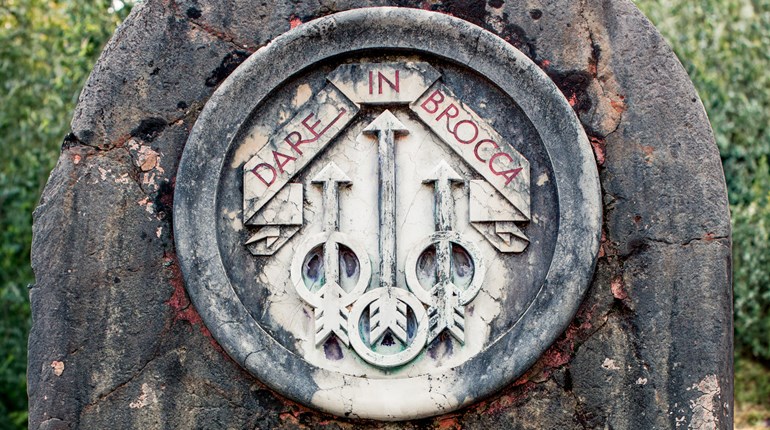
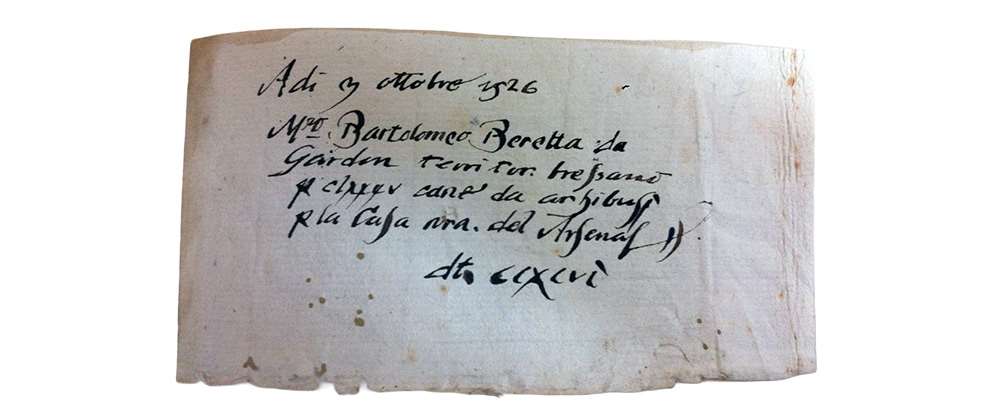
Beretta is marking five centuries of documented firearm production after a handwritten record held by the State Archive of Venice identified a 3 October 1526 payment to Bartolomeo Beretta. The document records 296 ducati paid for 185 arquebus barrels supplied to the Venetian Republic arsenal, establishing the earliest known evidence of the company’s existence.
The anniversary corrects the milestone reported in a 1980 American Rifleman article, which celebrated Beretta’s 300th anniversary. According to John Zent’s report, the 1526 document was discovered shortly after that article was published. Beretta now describes the record as an invoice, and the company says firearms have been produced continuously by the family for 500 years.

The business began in Gardone, in Italy’s Val Trompia, a region known for iron deposits and a long-established armour-making tradition. As gunpowder weapons developed, the area became closely associated with barrelsmithing. The Beretta family’s business passed through successive generations, with Ugo Gussalli Beretta representing the 14th generation, his sons Pietro and Franco the 15th, and Ugo’s grandchildren identified as the prospective 16th generation.
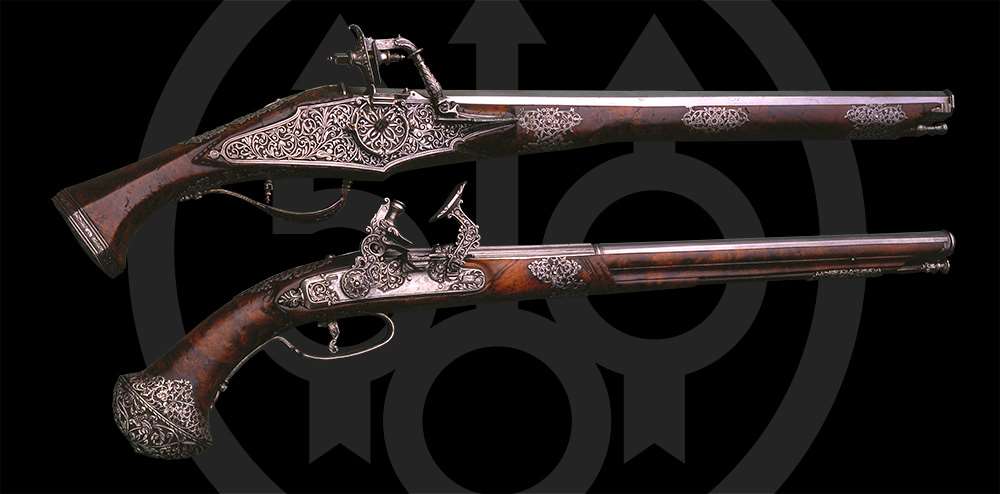
Historians cited by American Rifleman regard Beretta as possibly the world’s oldest gun manufacturer and the oldest family business. Two of the oldest known surviving Beretta pistols date from the 17th and 18th centuries. The company’s early production involved a lengthy process, from mining and refining iron through to forging, straightening, polishing and fitting barrels and other components.
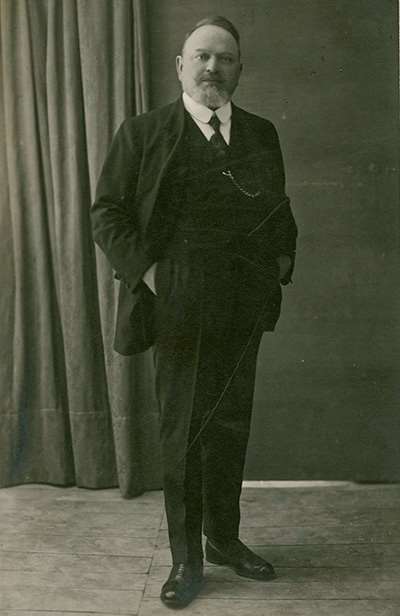
Historical records illustrate the scale of the company’s early work. A 1544 order associated with the English crown called for 1,500 arquebuses and 1,500 suits of armour. During the 1570s, when Venice was preparing for war over Cyprus, Gardone’s forges were ordered to operate around the clock. A report later stated that the local makers produced as many as 300 arquebuses a day.
Beretta expanded significantly during the Industrial Revolution. Under Pietro and Giuseppe Beretta, the company developed its commercial network and modernised its manufacturing. Annual production rose from approximately 300 guns in the 1850s to more than 7,500 by the 1880s, while the product range grew to include rifles, pistols, revolvers and shotguns.
The 20th century brought both military contracts and new commercial designs. Beretta produced barrels and components for wartime weapons, developed the Model 1915 semi-automatic pistol and later supplied the Italian military with the Model 1934. Despite severe disruption and damage during the Second World War, the family and employees resumed production late in 1945.
Post-war products helped establish Beretta internationally, including the Model 51, Model 12 and BM59. The company’s sporting guns also became prominent, particularly its over-under shotguns. American Rifleman traces the modern sporting-gun line from the S1 introduced in the 1930s to the SO sidelock and 680-series shotguns, which helped cement Beretta’s reputation in competition and hunting markets.
Beretta’s international expansion accelerated after it acquired a manufacturing facility in Accokeek, Maryland, in 1977. The company later became closely associated with the Model 92 and its military M9 variant, which served with the United States armed forces for more than three decades. Beretta subsequently expanded its American manufacturing presence with a factory in Gallatin, Tennessee, opened in 2016.
The Beretta Holding structure, established in 1995, brought the family’s expanding interests under one corporate organisation. The report says the group now has manufacturing, administrative and sales operations in 50 countries, annual revenue of more than $1.9 billion, and a portfolio extending beyond its namesake firearms business. It also identifies a Norma ammunition plant near Savannah, Georgia, and mentions the group’s reported agreement with Ruger, although details of any joint product or manufacturing activity had not been released when the article was written.
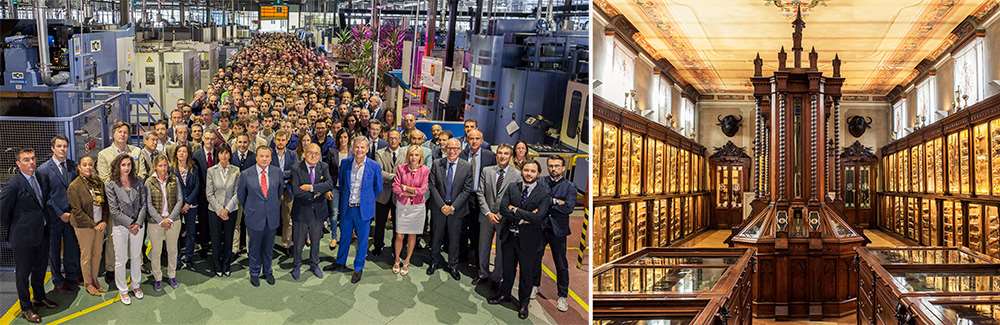
Franco Gussalli Beretta said the company’s continuity depends on discipline, responsibility and a commitment passed from one generation to the next. He also described modern production as a balance between traditional craftsmanship and advanced technology, with contemporary control systems supporting the consistency once dependent almost entirely on individual artisans.
For South African firearm owners, Beretta’s history is relevant both as a record of European gunmaking and as an example of how a specialist family business developed into a global manufacturer. The company’s product history covers military arms, sporting shotguns, handguns and rifles, while its continued family ownership remains central to its identity. The report also notes that Beretta shotguns helped sponsored athletes win 14 of the 15 available shotgun medals at the 2024 Olympic Games in Paris.
Original sources
- American Rifleman · 3 October 2026 · www.americanrifleman.org