Training & Safety
What South African Firearm Owners Should Consider When Carrying in Public
A valid firearm licence is only one part of carrying a firearm in public in South Africa. An article by Carla examines Section 84 of the Firearms Control Act, holster requirements, concealment, restricted locations and responsible conduct around the public.
Published 30 September 2026 at 20:48
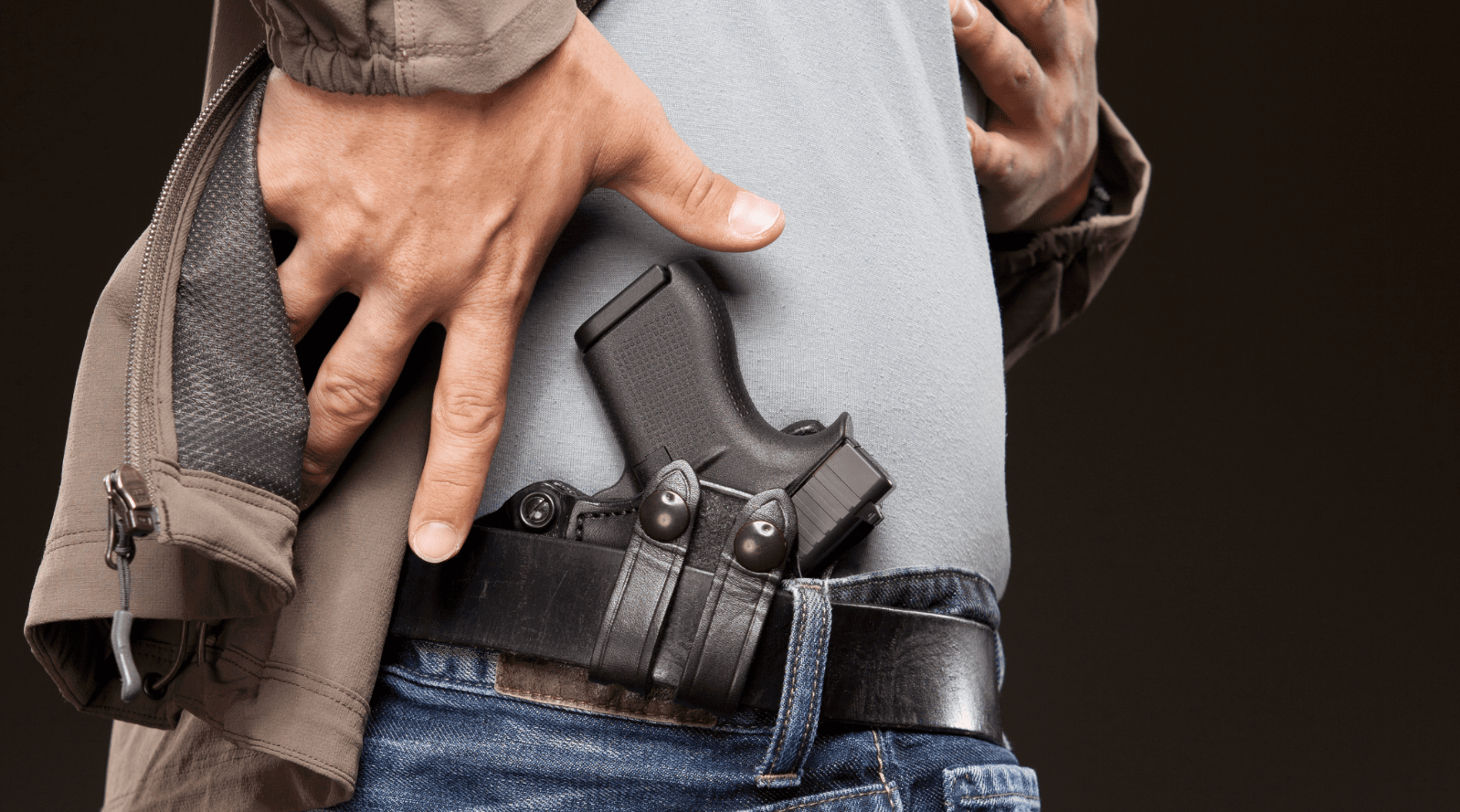
Carrying a firearm in public in South Africa involves more than holding a valid licence. In an article published by Firearms, Carla writes that licence holders must also understand the requirements of the Firearms Control Act 60 of 2000, use suitable equipment and take reasonable steps to protect the public and prevent the firearm from being lost, stolen or misused.
The article states that a person with the required competency certificate and firearm licence may carry the firearm in public, subject to the Act’s conditions and limitations. It specifically discusses Section 84, which requires a firearm to be carried in a holster or similar holder designed, adapted or modified for safe carrying, or in a rucksack or comparable holder.
According to the article, the firearm must remain under the carrier’s direct control. The carrier must also take reasonable precautions against theft, loss and misuse. These requirements mean that simply having a firearm on one’s person is not enough; the method of carry and the level of control over the firearm are also important considerations.
The article notes that the Act does not prohibit open carry, but says that a visible firearm may attract attention, cause alarm or result in complaints and intervention by law enforcement. Concealed carry is therefore presented as the preferred practice in most civilian settings, although the article makes clear that concealment is described as best practice rather than an express general requirement.
Choosing a suitable holster
Carla recommends a holster that fully secures the firearm, covers the trigger guard, provides retention against accidental loss or snatching, and permits safe access when necessary. Carry options discussed include inside-the-waistband, outside-the-waistband, appendix and shoulder holsters, while ankle holsters are described as generally being used for backup carry. Some of these methods may require suitable clothing or a cover garment for concealment.
The article cautions against makeshift arrangements, including placing a firearm in a handbag without a dedicated holster. It also advises carriers to remain aware of who might gain access to the firearm, use appropriate retention and avoid clothing or positioning that reveals its outline unnecessarily.
Locations and conduct
The article identifies courthouses, areas beyond airport security checkpoints and National Key Points among locations where a firearm may not be carried. It also refers to private premises that prohibit firearms, stating that visitors should pay attention to signage and comply when lawfully instructed to leave or store the firearm.
Finally, the article advises against displaying a firearm to intimidate, provoke or settle an argument. Its practical guidance is that responsible public carry combines compliance with the law, secure equipment, discretion and conduct that does not create unnecessary alarm.
Original sources
- Firearms.co.za · by Carla · 14 October 2025 · firearms.co.za