History & Collecting
Why Germany’s Karabiner 98k Remained Its Main Infantry Rifle in World War II
Germany entered World War II with a reliable but increasingly outdated five-shot bolt-action rifle. David Fortier’s account explains why efforts to replace the Karabiner 98k with self-loading rifles and the StG 44 failed to deliver enough weapons before the war ended.
Published 1 October 2026 at 16:01
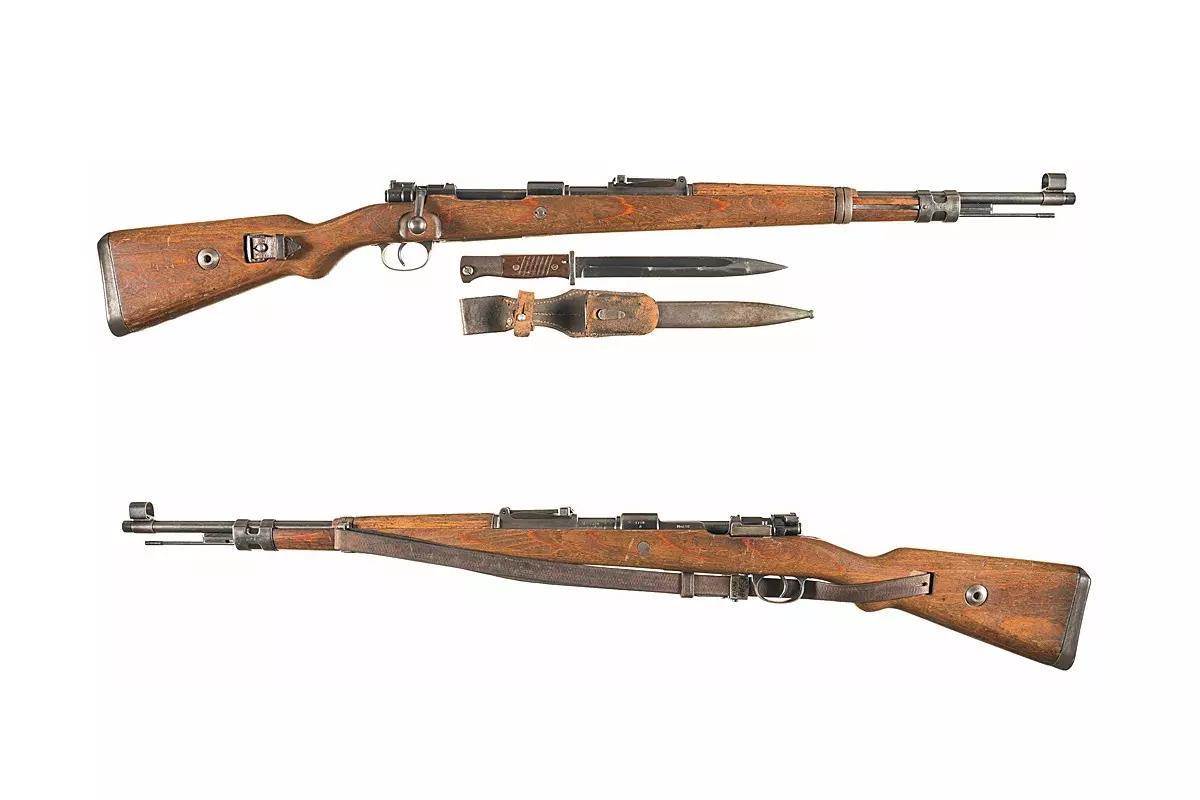
When German infantry entered Poland in September 1939, most soldiers carried the 7.92x57mm Karabiner 98k. Based on the Gewehr 98 design, the rifle was rugged, accurate and dependable, but its manually operated action and five-round magazine were already becoming outdated compared with the self-loading rifles and faster-cycling bolt actions being developed or fielded by other powers.
In reporting for Firearms News, David Fortier describes the Karabiner 98k as a thoroughly professional service rifle that nevertheless reflected a conservative choice. Britain’s No. 4 Lee-Enfield offered a ten-round magazine and a rapid bolt throw, while the Soviet Union had the SVT-38 and SVT-40. The United States was developing the semi-automatic M1 Garand, and France was close to adopting its own self-loading design before the country fell.
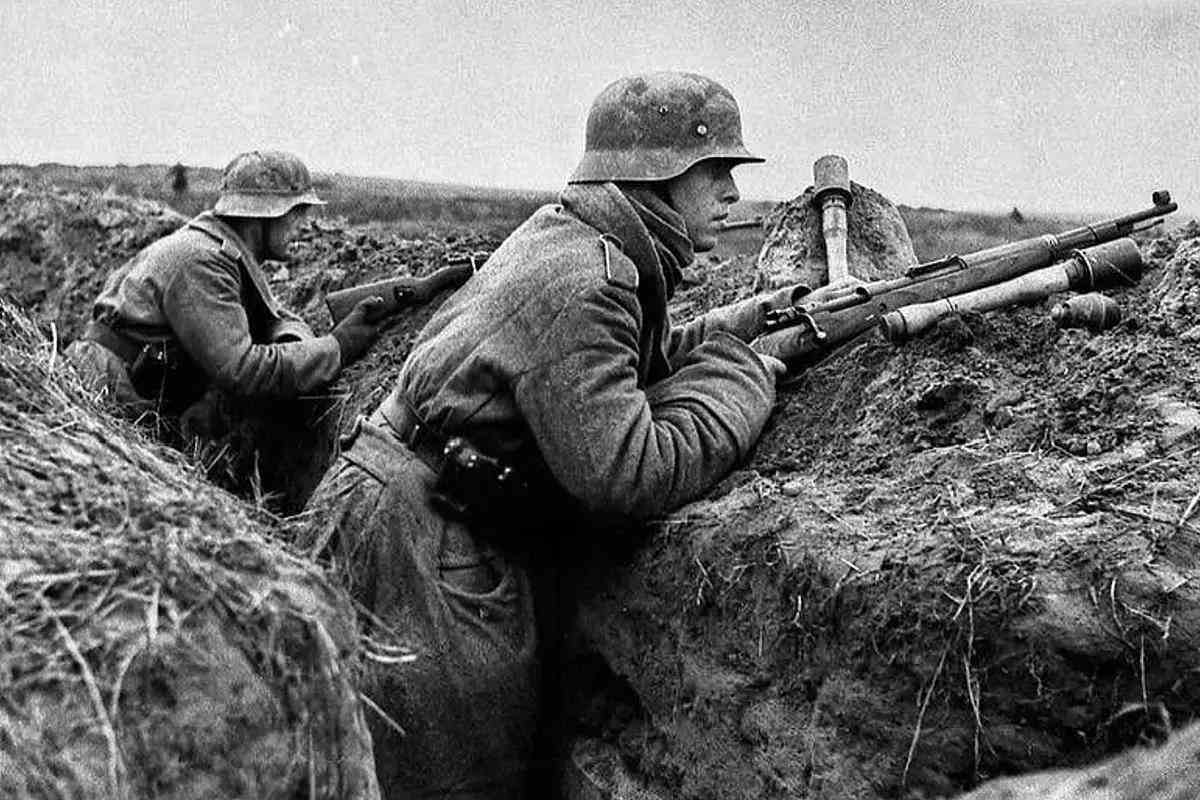
The rifle’s continued use was not evidence that German planners failed to understand the shift in infantry weapons. Fortier writes that the Reichswehr and Wehrmacht recognised that self-loading rifles represented the future. The problem was finding a replacement that could be made in sufficient quantities while maintaining the reliability and practicality of the Mauser.
The Karabiner 98k still offered important advantages. Its action was simple and durable, it delivered good accuracy, and its full-power 7.92x57mm cartridge was effective at long range. However, every shot required the user to cycle the bolt manually. Even a trained rifleman could not match the practical rate of fire of a self-loading rifle, while the five-round magazine placed the German infantryman at a disadvantage against weapons such as the Lee-Enfield.
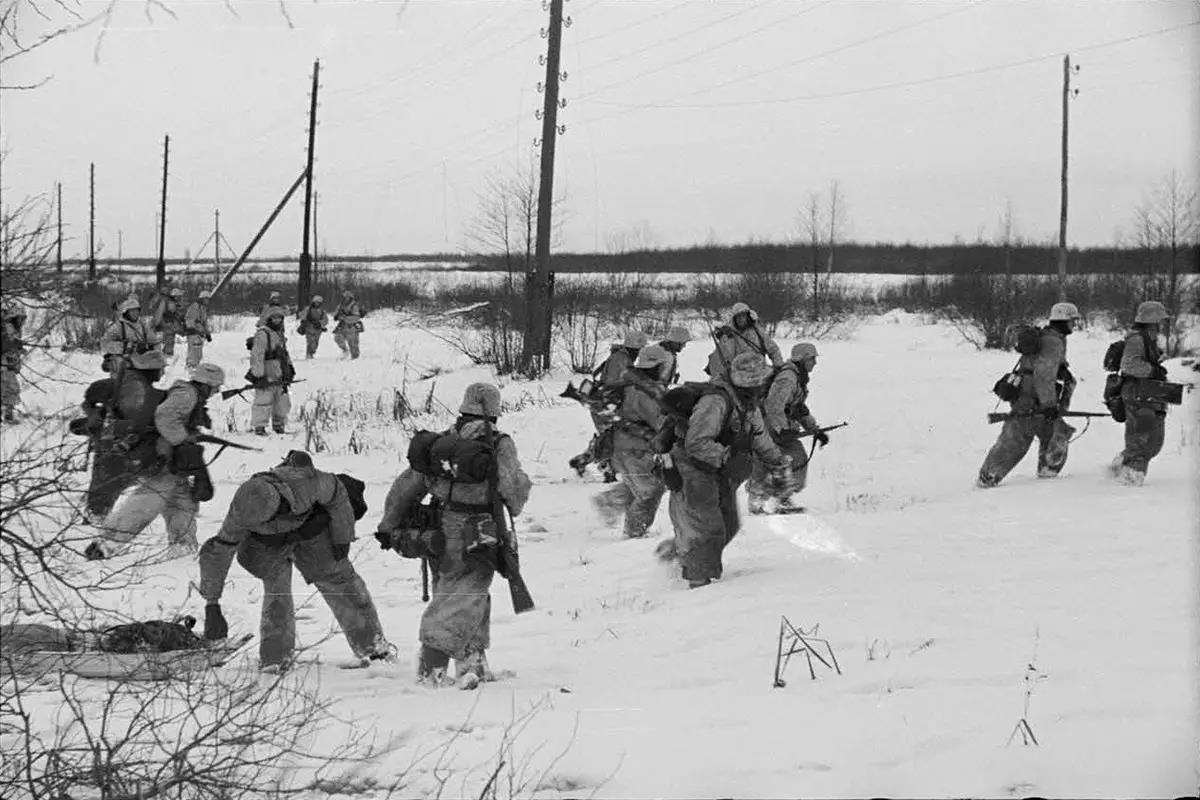
German infantry doctrine partly compensated for this limitation by organising squads around the machine gun. Riflemen generally supported the machine-gun team rather than forming the primary source of squad firepower. According to Fortier, this approach helped German units during the early campaigns, but the advantages of self-loading rifles became increasingly difficult to ignore, particularly during fighting on the Eastern Front.
Germany’s first major attempt to field a self-loading replacement produced the Gewehr 41. Mauser and Walther developed competing rifles under requirements that prohibited drilling a gas port into the barrel. German ordnance officials feared that a conventional gas system would create erosion, fouling and maintenance problems, so the designs used more complicated muzzle-operated gas systems instead.
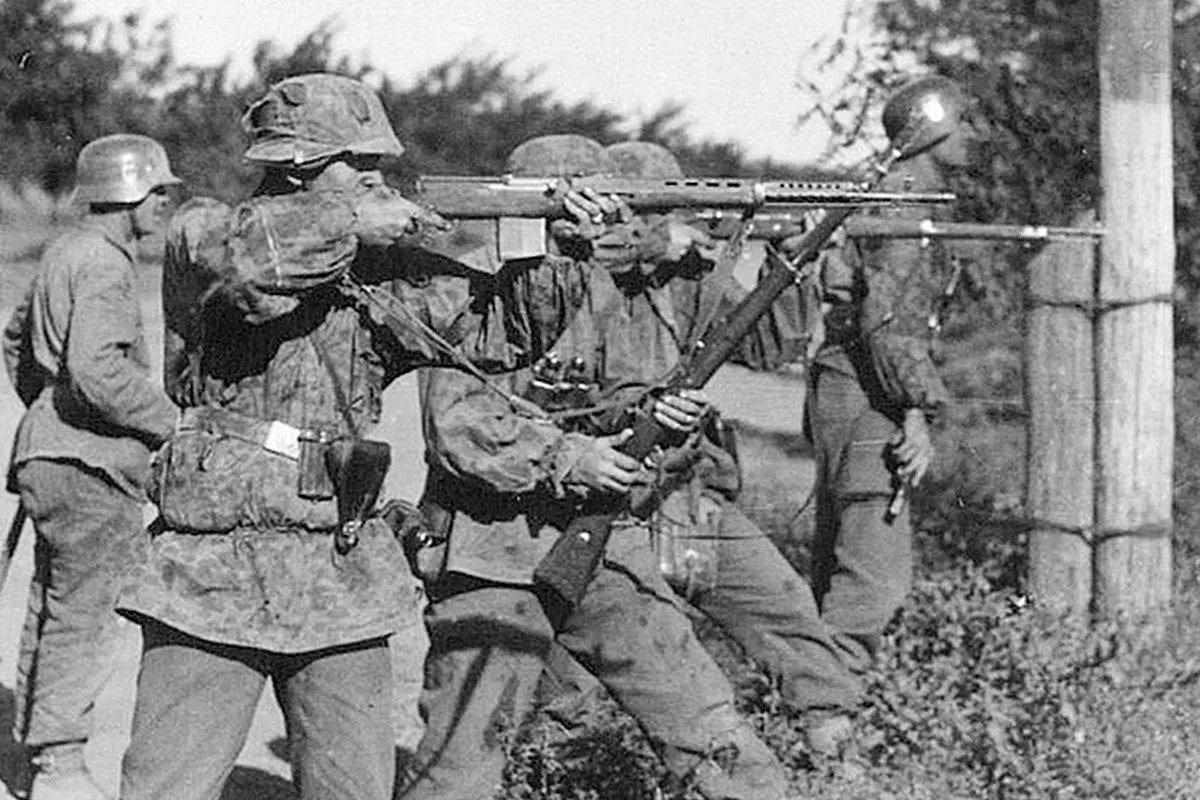
The Gewehr 41 rifles proved heavy, complicated and unreliable in difficult field conditions. Dirt, mud, carbon fouling and general battlefield abuse exposed shortcomings that had not been fully apparent during testing. Production was limited, and German troops encountered Soviet SVT-38 and SVT-40 rifles that demonstrated the possibility of issuing semi-automatic infantry weapons on a much larger scale. Fortier reports that more than 1.7 million of the two Soviet models were produced.
German engineers later abandoned the Gewehr 41’s restrictive operating concept and drew on the Tokarev SVT-40 when developing the Gewehr 43, later redesignated the Karabiner 43. Its gas-operated action, short-stroke tappet piston and detachable ten-round magazine made it a substantially more practical combat rifle. It arrived too late, however, and production remained far below the level required to replace the Mauser across the Wehrmacht.
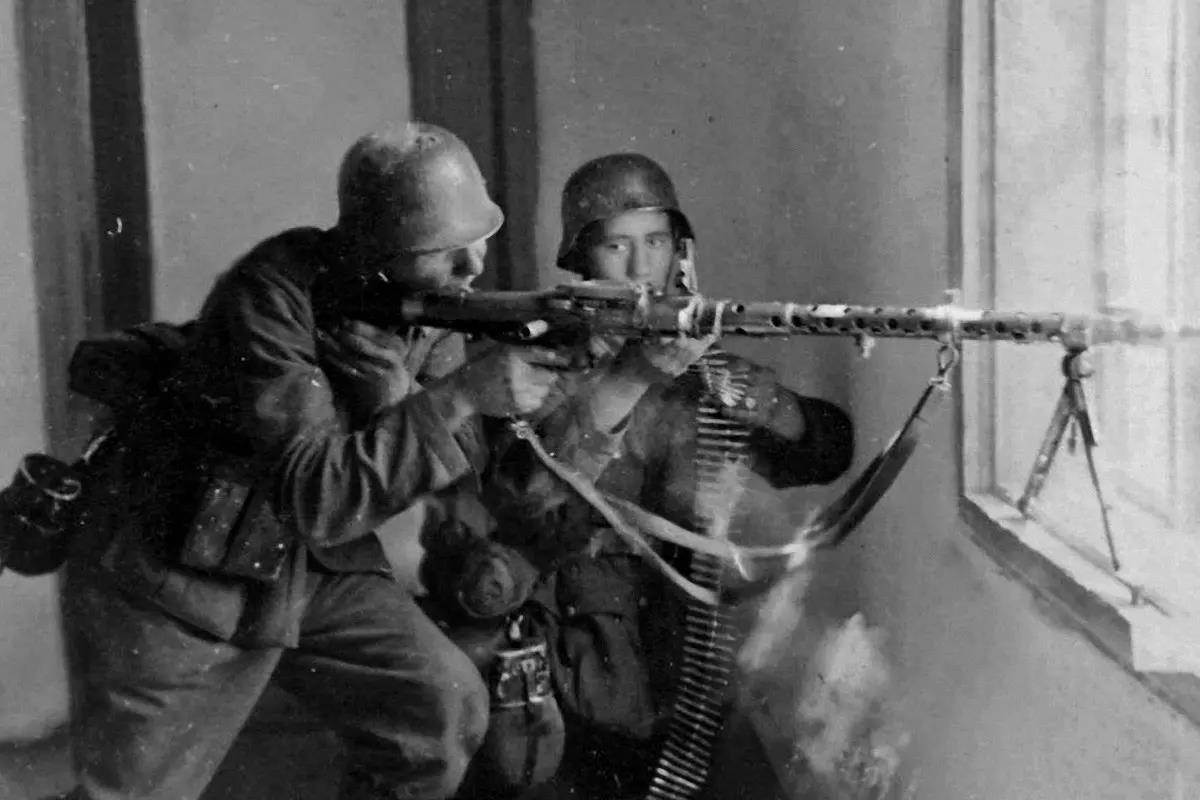
Approximately 400,000 Gewehr 43 rifles were produced during the war, compared with about 14 million Karabiner 98k rifles, according to the supplied reporting. Most German infantrymen therefore continued to use the bolt-action rifle, even after a workable semi-automatic alternative had emerged.
Germany’s more radical answer was the Maschinenkarabiner 42 and its successor, the Sturmgewehr 44. Chambered for the intermediate 7.92x33mm Kurz cartridge, the select-fire weapon was designed around the shorter engagement ranges that characterised many infantry battles. It offered more firepower than the Karabiner 98k while remaining more controllable than a submachine gun.
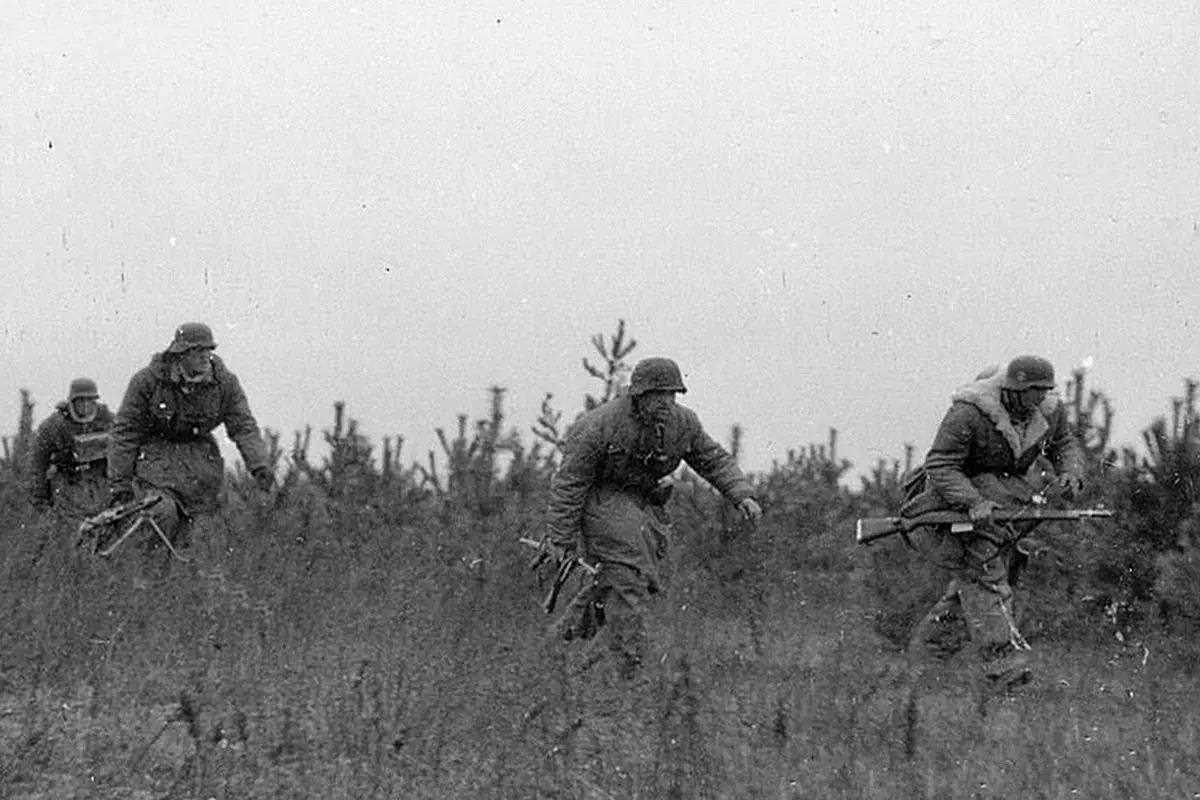
The programme faced delays and resistance. Development continued under the “machine pistol” designation after Hitler initially ordered it stopped, and the weapon later entered production as the MP 43. Hitler eventually approved it and gave it the Sturmgewehr name, but fewer than 500,000 were completed before Germany’s collapse. Allied bombing, shortages of materials, transport difficulties and the deteriorating military situation prevented planned production from reaching the levels needed to replace the Mauser.
Fortier’s account presents the Karabiner 98k’s wartime service as a consequence of timing and industrial reality rather than a lack of German firearms engineering. Germany produced advanced alternatives, but it could not perfect and manufacture them quickly enough to displace the millions of existing rifles. The Karabiner 98k therefore remained the Wehrmacht’s primary infantry rifle until the final days of World War II.
Original sources
- Firearms News Magazine · 2 September 2026 · www.firearmsnews.com